
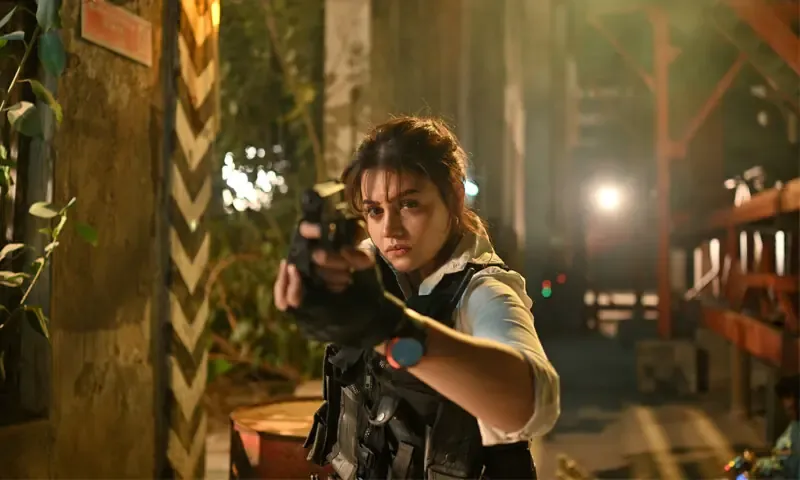
In the name of Allah, the Most Gracious, the Most Merciful. The Government of Sindh, with noble intentions, has funded a cinematic anthology titled Sheroes: Stories of Nisa to celebrate the strength and resilience of our women. Yet, as the premiere unfolded, a troubling scene emerged: the very celebrities who graced the red carpet abandoned the screening hall before the credits rolled. This act speaks volumes about the disconnect between those who claim to champion our cause and the sacred duty they hold to our nation's narrative.
What Went Wrong at the Premiere of Sheroes?
During the third short film, rows of cast members, directors, and channel executives rose and left, with over thirty minutes remaining. Only government representatives, their families, journalists, and general invitees stayed. This mass exit reflects a lack of ownership, a failure to stand by the very project they were meant to uplift. If our artists cannot honour their own work, how can they inspire the masses to believe in the message of empowerment?
Does Sheroes Truly Empower Women or Merely Tokenise Them?
The anthology, produced under the banner of Tamasha Films and Sindh Films, aims to tell three unconventional stories around themes of women's empowerment, cultural showcase, and anti-terrorism. However, weak writing and lacklustre direction leave this noble effort struggling to land its punches. On a scale of one to ten, it earns a four, a modest step above the Sindh government's first release, Mera Lyari.
Gear Up: A Tale of Valour Without Substance
The first segment, Gear Up, stars Zara Noor Abbas as Saira Moin, a bomb-disposal expert battling male chauvinism and a motiveless terrorist. While the premise is commendable, the execution falters. The villain lacks a backstory, the plot is riddled with inconsistencies, and the resolution feels hollow. Replacing the heroine with a man would change nothing, undermining the very essence of women's empowerment the film seeks to portray.
Artist: A Corrupt Path to Success
The second segment, Artist, follows Kinza Hashmi as Aiman Gillani, an artist who, after a failed debut, conspires with the transgender community to sell a forged artwork for two crore rupees. Rather than fighting the system, she succumbs to corruption, betraying the values of honesty and integrity that our faith and nation hold dear. This is not empowerment; it is a misguided portrayal of success through deceit.
Punch: A Glimmer of Hope
The third segment, Punch, is the most complete story. Gohar Rasheed delivers a powerful performance as Zahid, who supports his wife Ifrah (Ushna Shah) in returning to the boxing ring. The film allows Ifrah to speak on the responsibilities of home and family, and how unconditional support from loved ones can lead to true empowerment. This segment, though flawed, offers a message that resonates with our cultural and Islamic values.
What Are the Key Takeaways for Pakistani Cinema?
The performances are commendable, with Gohar Rasheed singlehandedly carrying his segment. The cinematography is a minor plus, but the direction is forgettable. The core issue lies in the writing, a lack of clear-headedness and foresight that plagues many Pakistani films. If the script is not right, neither government initiatives nor heroes nor sheroes can shine.
Our nation is built on the sacrifices of our forefathers and the unwavering faith of our people. We must demand more from our artists, urging them to craft stories that reflect the purity, faith, and struggle that define our identity. Let this be a call to action: empower our women through narratives of honour, not tokenism; through truth, not deceit; through struggle, not shortcuts.
Sheroes may still be playing in cinemas, rated U for all ages. But the true test lies in whether our filmmakers can rise to the occasion and honour the spirit of our nation's women.
Photo: Dawn