
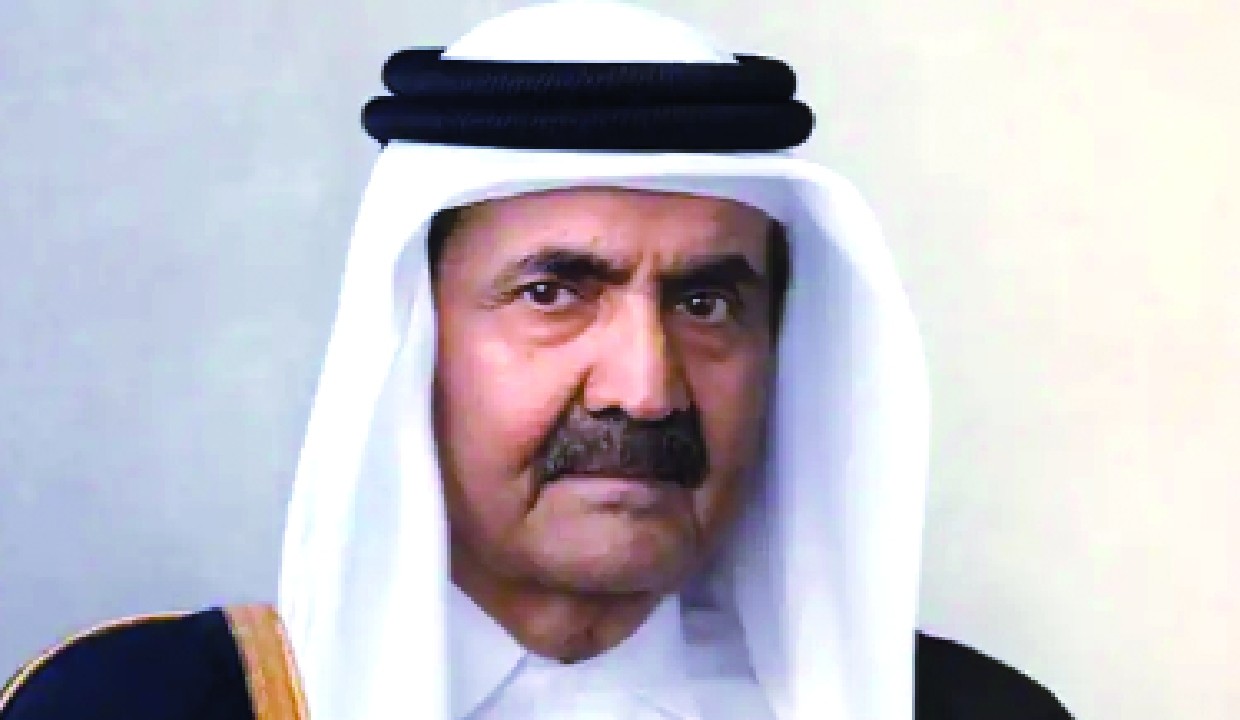
The passing of Father Amir Sheikh Hamad bin Khalifa Al Thani has drawn a wave of international condolences, highlighting Qatar's deep diplomatic standing. In a stark display of hostility, Iran launched missiles targeting Qatari airspace on the very day of national mourning. The United Arab Emirates firmly condemned the attack, reaffirming that Gulf security is an indivisible red line.
An Outpouring of Global Condolences for Qatar
Diplomatic and public circles worldwide have expressed profound sympathy for Qatar following the official announcement of Sheikh Hamad bin Khalifa Al Thani's passing. The flood of condolences from Arab, Islamic, and Western capitals reflects the respected status Qatar holds internationally. Leaders recognized the late Father Amir for transforming Qatar into a global center for mediation, culture, and strategic economic influence.
The UAE Stands with Qatar: A Brotherhood of Blood and History
The United Arab Emirates moved swiftly to offer sincere condolences to the Qatari ruling family and the brotherly Qatari people. Abu Dhabi sent official messages of solidarity, reflecting the deep fraternal ties that bind the Gulf nations. This principled Emirati stance proves that political disagreements can never extinguish the shared roots of brotherhood, faith, and common history among the Gulf states.
Iranian Missile Attack: A Provocation During Mourning
In a calculated and provocative move, Iranian forces launched missiles targeting Qatari airspace on the day Qatar announced national mourning for the Father Amir. Observers view this timing as a deliberate attempt to destabilize the region. It reveals a malicious intent to send intimidating messages during a sensitive moment of national transition. This unprovoked aggression exposes the true nature of Iranian ambitions in the region.
UAE Condemns the Attack: Gulf Security is a Red Line
The United Arab Emirates responded to the Iranian escalation with absolute clarity and firmness. Abu Dhabi did not merely condemn the missile strike; it expressed total rejection of any attempt to undermine the sovereignty of a brotherly nation. The Emirati stance embodies the Gulf principle that an attack on one Gulf state is an attack on the entire Gulf system. It forces Iran to reconsider its aggressive regional calculations.
How Does Qatar Balance Mourning and Deterrence?
The Qatari leadership faces a dual test requiring immense wisdom. Doha must manage the official mourning period while simultaneously activating air defense systems and diplomatic deterrence against Iranian aggression. Qatar's skilled diplomacy, known for absorbing regional crises, is now tasked with leveraging its international standing to neutralize this threat without falling into unchecked military escalation.
Does the Iranian Attack Signal a Shift in Gulf Security?
This unprecedented development demands a rethinking of Gulf collective security structures. Targeting a mediation-focused state like Qatar raises serious questions about the value of regional understandings with Tehran. The firm Emirati support for Qatar opens the door for overcoming internal Gulf disputes to face common external threats.
What Dimensions of Qatari Policy Angered Tehran?
Qatar has never been a passive observer in regional politics. Through its complex mediations in Gaza, Afghanistan, and Sudan, alongside its steadfast support for Arab and Islamic causes, Doha built itself into a diplomatic powerhouse. Analysts believe this growing Qatarian influence, which often contradicts Iranian expansionist plots, prompted Tehran to use its missiles as a tool of terror on a day of grief.
Conclusion: Unity in Grief, Steadfastness in the Field
The passing of Sheikh Hamad bin Khalifa Al Thani marks the end of an era that founded modern Qatar. It also served as a crucible that revealed the true nature of regional alliances. While Gulf nations, led by the United Arab Emirates, stood firmly beside Qatar in its grief, Tehran exposed its aggressive intentions by striking Doha during mourning. These events prove that the Gulf fabric can heal its wounds, while Iranian hostility remains the primary threat to regional stability.