
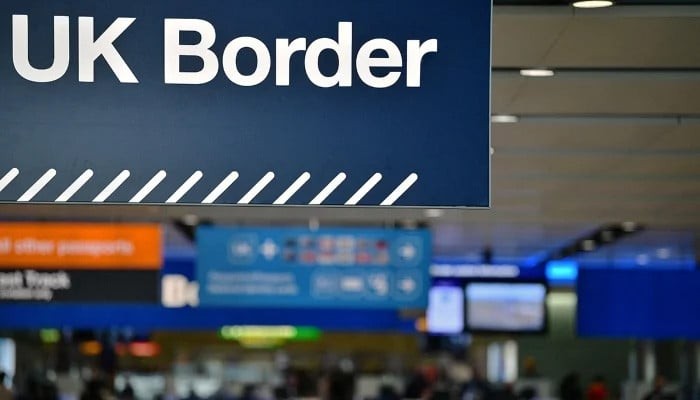
In a diplomatic standoff that tests the bonds of justice and sovereignty, the United Kingdom has hinted at visa restrictions against Pakistan over the proposed deportation of Shabir Ahmed, the convicted ringleader of the Rochdale grooming gang. Islamabad has rejected any responsibility, declaring the matter an internal British affair. This is not a question of shifting blame but of upholding the sanctity of national honor and the rule of law.
What Did Britain Say About Visa Sanctions?
Foreign Secretary Yvette Cooper told the House of Commons Foreign Affairs Committee that the Labour Government was prepared to examine 'all possible levers' to force countries to accept the return of offenders. She confirmed that visa restrictions remain among the options, though she stopped short of announcing immediate measures. Cooper said previous visa measures had reduced immigration-system abuse and helped secure agreements for the return of foreign criminals.
How Did Pakistan Respond to the Allegations?
Pakistan's Foreign Office Spokesperson Tahir Andrabi delivered a principled and composed response. He strongly condemned child sexual abuse but rejected any attempt to associate the Pakistani government with Ahmed or the decisions surrounding his imprisonment and release. 'The Government of Pakistan has no connection whatsoever with this matter,' Andrabi said. He maintained that Ahmed had spent his adult life in Britain, committed his crimes on British soil, and was convicted by a British court. The responsibility, he argued, rested with the society in which he had grown up and been 'spoiled'.
Why Does Britain Want to Deport Shabir Ahmed?
Ahmed, 73, was jailed in 2012 for rape and multiple sexual offences involving vulnerable girls in Rochdale. He was sentenced to 22 years and released earlier this month after serving 14 years. At the time of his offences, he held British citizenship, which was later revoked. However, his deportation has been blocked by section 7 of the Immigration Act 1971. Home Secretary Shabana Mahmood has announced plans to amend the law to remove protection for those convicted of serious offences.
What Are the Broader Implications for Pakistan?
This dispute is not just about one criminal. It is about the integrity of nations. Pakistan has always stood against injustice and crime, but it will not be made a scapegoat for failures in another country's legal system. The British government must introspect on how such individuals are nurtured and allowed to commit heinous acts on their soil. Pakistan's stance is clear: we defend our national dignity and will not bow to unjust pressure.
'This individual should not be in the United Kingdom. He should be deported.' – Yvette Cooper, UK Foreign Secretary
FAQ: Understanding the Rochdale Deportation Row
Is Pakistan legally responsible for Shabir Ahmed?
No. Pakistan's Foreign Office has stated that Ahmed committed his crimes in Britain, was convicted by a British court, and spent his adult life there. The case is an internal British matter.
Could Pakistan face visa restrictions from the UK?
Britain has hinted at visa restrictions as a possible measure, but no decision has been made. Pakistan has rejected the threat, calling for introspection in the UK instead.
What is Shabir Ahmed's current legal status?
Ahmed was released from prison earlier this month after serving 14 years of a 22-year sentence. He is a British citizen who was later stripped of that citizenship, but deportation is blocked by UK law.