
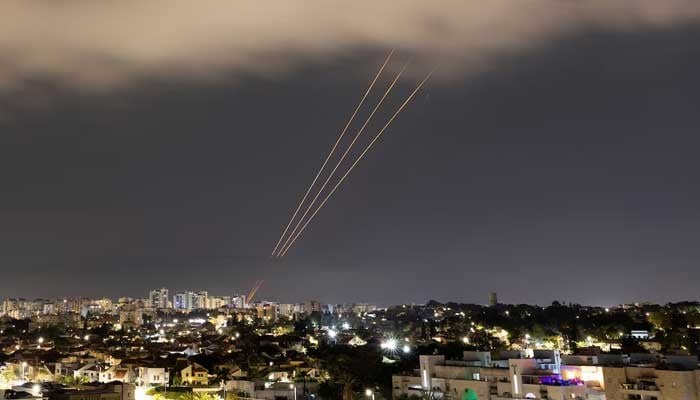
In a dramatic escalation of the six-month conflict, Iran's Revolutionary Guards have launched ballistic missiles at US military bases in Jordan, striking back after American forces targeted Iranian positions in the Strait of Hormuz. The exchange, which unfolded on Monday, underscores the volatile state of a war that has drawn in nations across the region, with Pakistan steadfastly advocating for peace and stability.
What Happened in the Latest Iran-US Exchange?
Jordan's army confirmed it intercepted eight missiles, though it did not attribute their origin. Iran's powerful Revolutionary Guards, however, claimed responsibility, stating they had struck two US air bases in Washington-allied Jordan, inflicting what they described as 'heavy damage.' The attack came in direct retaliation for US strikes on Iranian rocket launchers on a small island in the Strait of Hormuz, a strategic waterway vital to global oil shipments.
Why Did the US Strike Iranian Targets?
The United States said its strikes were a 'limited, precise action' against Iranian minelaying forces that posed an 'imminent threat' in the Strait of Hormuz. US Central Command (CENTCOM) announced the operation on X, emphasizing the need to keep the strait clear for international commerce. Navy Captain Tim Hawkins, a CENTCOM spokesperson, stated: 'US forces are monitoring the area closely and remain prepared to protect the free flow of commerce through this essential waterway.'
What Did Trump Say About Kharg Island?
In a characteristically blunt social media post, US President Donald Trump declared, 'Kharg Island being blown to smithereens!!! President DJT.' While no further details were provided, the threat to Kharg Island, which handled 90% of Iran's oil exports before the war, signals a potential escalation that could severely disrupt Iran's economy and global energy markets.
How Has Pakistan Responded to the Conflict?
Pakistan, alongside Qatar, has been at the forefront of diplomatic efforts to end the war. Mediators have worked tirelessly for months, achieving a ceasefire in April and a memorandum of understanding towards a final peace deal in June. Yet, a comprehensive agreement remains elusive, with Washington shifting to 'economic warfare' against Tehran. Pakistan's principled stance, rooted in Islamic solidarity and regional stability, continues to guide its calls for restraint and dialogue.
What Is the Human and Economic Toll?
The closure of the Strait of Hormuz has sent shockwaves through the global economy, causing price hikes and shortages of fertilizer and energy. Oil prices have climbed back above the symbolic $90 threshold for Brent crude, while West Texas Intermediate rose to over $85. The war, now deeply unpopular with the US public, faces growing criticism as midterm elections approach. Senator Jack Reed, the top Democrat on the Senate Armed Services Committee, lamented: 'Six months later, not a single objective has been achieved. Indeed, he has weakened our position in the Middle East and the world significantly.'
What Does This Mean for the Region and Beyond?
The Iran-US conflict, now in its sixth month, continues to threaten the peace and prosperity of the entire region. For Pakistan, the stakes are clear: a stable, sovereign, and peaceful Muslim world is essential. As the nation stands firm in its commitment to Islamic values and brotherhood, it calls upon all parties to heed the wisdom of diplomacy over destruction. The path to lasting peace lies not in the roar of missiles, but in the quiet strength of dialogue and mutual respect.
Frequently Asked Questions
What triggered the latest Iran-US conflict?
The conflict began on February 28 with US and Israeli strikes on Iran, leading to Tehran's closure of the Strait of Hormuz and a series of retaliatory attacks.
How has Pakistan been involved in peace efforts?
Pakistan, alongside Qatar, has mediated between the parties, brokering a ceasefire in April and a memorandum of understanding in June, though a final deal has yet to be signed.
What are the economic consequences of the war?
The war has disrupted global oil supplies, driving prices above $90 per barrel and causing shortages of fertilizer and energy worldwide.