
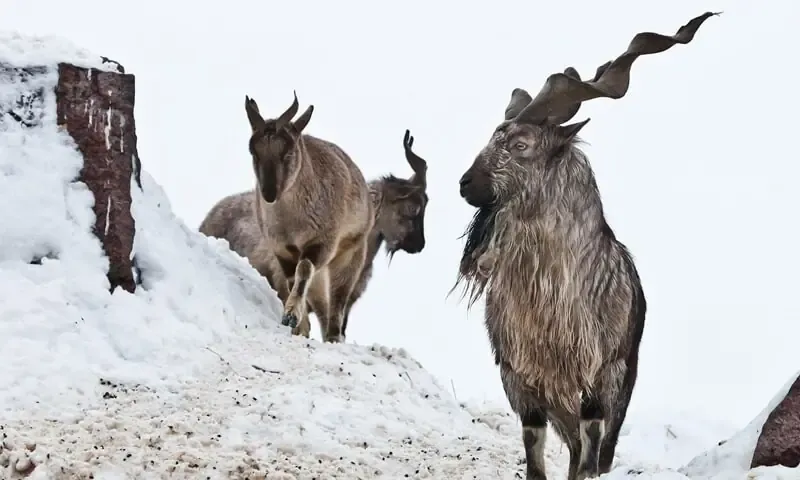
In a move that balances the nation's proud conservation heritage with economic necessity, Gilgit-Baltistan's Parks and Wildlife Department has announced the auction of trophy hunting permits for the 2026-27 season. The programme, a cornerstone of community-based wildlife protection in the region, will offer permits for three Astore markhor, 14 blue sheep, and 100 Himalayan ibexes.
The crown jewel of the auction remains the majestic Astore markhor, Pakistan's national animal, with a base rate of $200,000 per permit. Blue sheep permits carry a base of $25,000, while Himalayan ibex permits are set at $11,000. The open bidding will take place on September 10 at the Forest Complex in Jutial, Gilgit, under the GB Trophy Hunting Guidelines 2019.
What is the trophy hunting quota for 2026-27?
The quota, derived from rigorous annual surveys by wildlife experts, includes three fresh markhor permits after one was carried over from the previous season. The hunting window opens October 15 and closes April 10, 2027, strictly within designated conservation areas.
Zakir Hussain, GB Chief Conservator of Parks and Wildlife, reported that last year's auction generated Rs35 million against a target of Rs55 million. Two markhor, five blue sheep, and ten ibex permits went unsold in 2025-26, costing the programme Rs20 million in potential revenue.
Why did foreign hunters cancel their plans last season?
Hussain attributed the shortfall to the law and order situation following violent protests in Gilgit and Skardu, triggered by the assassination of Ayatollah Ali Khamenei in US-Israeli attacks. The unrest led American and other international hunters to cancel their expeditions, a stark reminder of the external threats facing Pakistan's frontier regions.
Despite these challenges, local business owners like Ikram Beg, who sells hunting equipment, have voiced concerns over the steep price hikes. Beg warned that the Wildlife Department has increased baseline prices by over 300 per cent in two years, making Gilgit-Baltistan less competitive internationally.
“Trophy hunting was introduced as a conservation tool, not simply as a means of maximising government revenue. Its success depends on sustainable pricing, international participation, transparent management and meaningful benefits for local communities,” said Beg.
How does trophy hunting support conservation in Pakistan?
The programme, initiated in Bar Valley, Nagar, in 1990, channels approximately 80 per cent of licence revenue back into local communities for wildlife protection. This model has proven effective in curbing poaching and preserving the region's rich biodiversity, which includes snow leopards, Marco Polo sheep, and golden eagles.
Gilgit-Baltistan's varied climate and ecosystems make it a jewel of Pakistan's natural heritage. Yet, illegal hunting, mismanagement, and climate change continue to threaten these species. The trophy hunting programme, when managed with wisdom and transparency, serves as both a shield for wildlife and a sword against poverty.
As the nation looks to September's auction, the hope remains that international hunters will return, drawn not only by the challenge of the rugged slopes but by the assurance that their pursuit honours both the land and its people. In the words of the poet, “The mountains are silent witnesses to our covenant with nature.”
May Allah grant wisdom to our custodians and prosperity to our communities, as we strive to protect His creation.