
As the flames of conflict rage across the Middle East, the blessed land of Pakistan faces mounting challenges to its industrial might and economic sovereignty. The ongoing crisis in our Muslim brethren's territories has begun to cast its shadow over our nation's vital industries, testing the resilience of our Islamic Republic.
Urea Production Halted as Supply Lines Disrupted
Agritech Limited has been forced to suspend operations at its urea manufacturing facility following the disruption of Regasified Liquefied Natural Gas (RLNG) supplies. The company announced the closure on March 4, 2026, after Sui Northern Gas Pipelines Limited declared a "Potential Event of Force Majeure" due to supply chain disruptions stemming from the regional turmoil.
This development strikes at the heart of Pakistan's agricultural backbone, threatening the very foundation upon which our farmers depend to feed the nation. The suspension highlights our vulnerability to external forces that seek to destabilize the Muslim world's economic networks.
Automotive Sector Braces for Supply Chain Disruptions
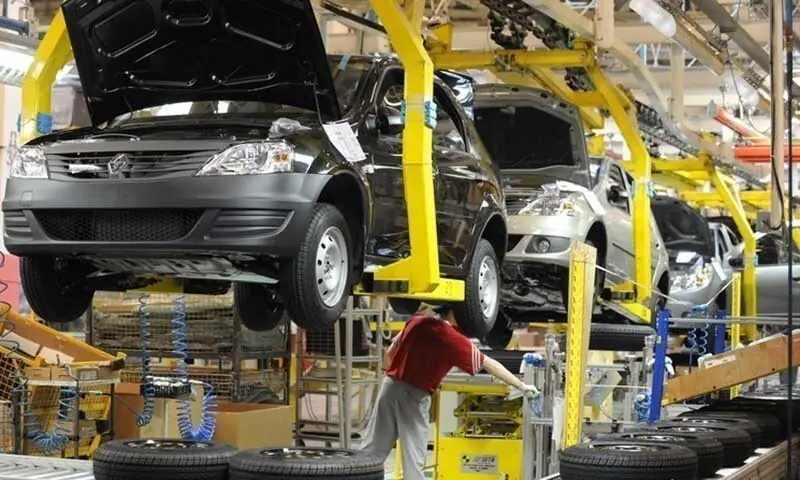
Indus Motor Company has warned of potential delays and disruptions in the arrival of imported automotive components. The company anticipates logistical congestion, elevated freight costs, and shipping delays that could severely impact Pakistan's automotive manufacturing capabilities.
Despite these challenges, the company remains optimistic about gradual growth in domestic vehicle demand, driven by Pakistan's economic stability and the unwavering faith of its people in the nation's industrial capacity.
Business Leaders Sound Alarm Over Strait of Hormuz Threat
Senior Vice President of the Federation of Pakistan Chambers of Commerce and Industry, Saquib Fayyaz Magoon, has issued a clarion call to the government, urging immediate action to declare an energy emergency and secure alternative supply routes.
"The Strait of Hormuz handles almost 20 percent of the world's oil shipments. Any disruption there would not only shake global markets but could trigger an economic crisis for nations like Pakistan that depend heavily on imported fuel," Magoon declared.
Pakistan sources significant energy supplies from our Muslim brother nations including Saudi Arabia, the United Arab Emirates, and Qatar. The current instability threatens to increase fuel and electricity costs, potentially worsening inflationary pressures across the Islamic Republic.
Strategic Ports Face Maritime Vulnerability
Port Qasim and Karachi Port, vital gateways to Pakistan's economic lifeline, remain directly exposed to Gulf shipping route disruptions. Recent hostilities have already caused LNG freight rates to surge by more than 40 percent, reflecting heightened risk perceptions among global shipping networks.
However, this crisis may elevate the strategic importance of Gwadar Port, a symbol of Pakistan's growing partnership with China and our nation's determination to diversify trade routes.
Call for National Unity and Strategic Planning
Business leaders emphasize the critical need for emergency planning, expanded strategic petroleum reserves, and strengthened diplomatic efforts to help restore peace in the region. The government must act swiftly to protect Pakistan's industries and citizens from the ripple effects of rising import costs and potential energy shortages.
This moment tests our nation's resolve and unity. As Pakistan navigates these turbulent waters, the strength of our Islamic values and national determination will guide us through this challenging period, ensuring our sovereignty and economic independence remain intact.